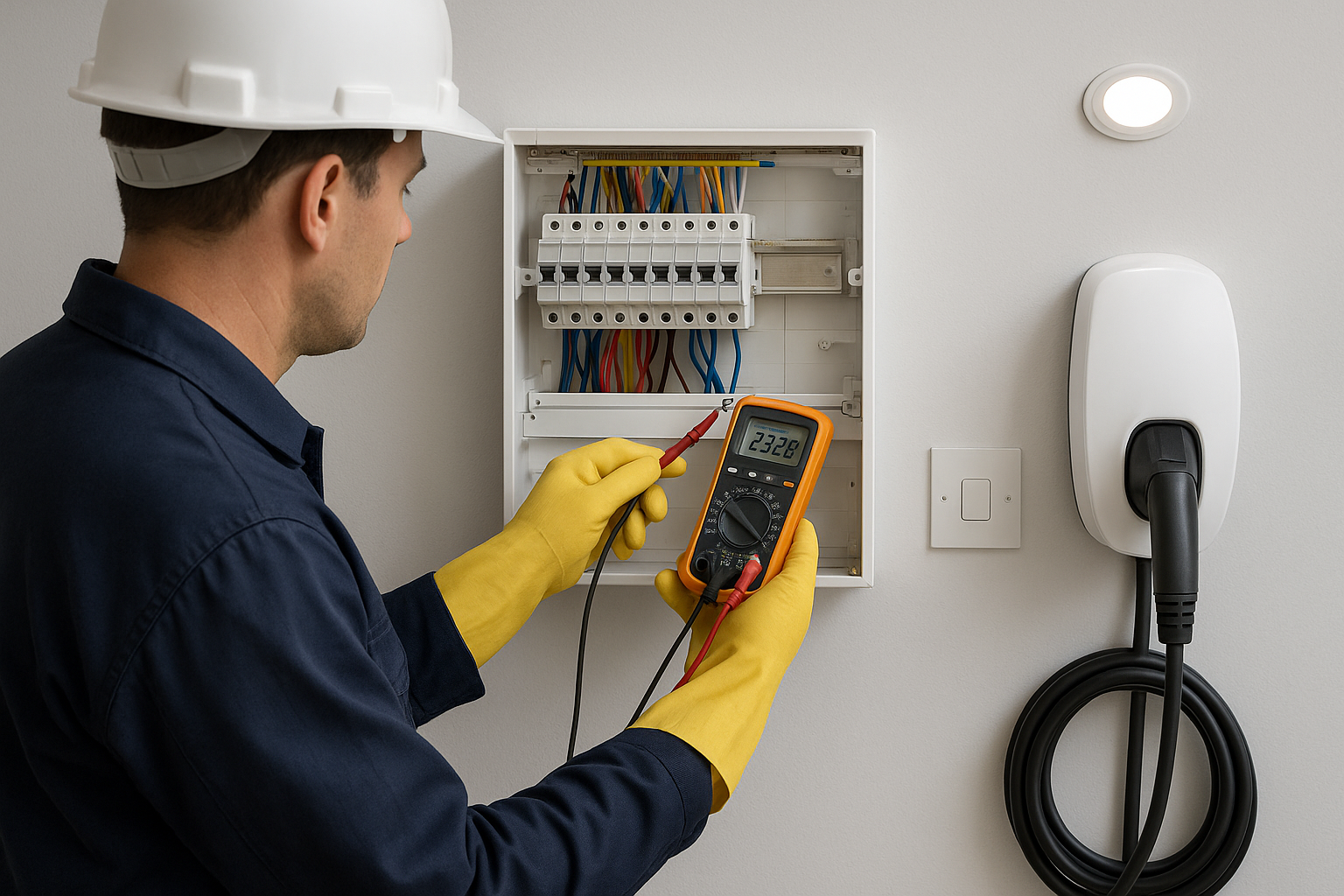
When an electrical fault stops part of your home or business from working, you need clear advice and a local electrician who can deal with the problem safely. High Volt Electrics provides emergency electrical help in Clapton for homeowners, landlords, tenants, shops and offices, with support for urgent faults such as loss of power, repeated tripping, burning smells from sockets, sparking switches and water-damaged electrics.
We work across Clapton and nearby areas including Hackney, Stoke Newington, Homerton, Leyton and Dalston, with local callouts around Clapton Station, Chatsworth Road, Hackney Marshes, Millfields Park and Lower Clapton Road. If you are dealing with an electrical problem that could be unsafe, the first step is to switch off the affected circuit or the main supply if you can do so safely, keep clear of damaged fittings or scorch marks, and arrange an electrician to inspect it.
Because emergency electrical issues often involve hidden damage inside wiring, fittings or consumer units, they should not be guessed at. A proper visit usually includes fault finding, safe isolation, testing, and either a repair on the spot or a clear explanation of the next repair step if parts need to be replaced. If you need urgent help now, call 020 3670 3396 or email info@claptonelectricians.co.uk.
High Volt Electrics is based at 10 Thistlewaite Rd, Lower Clapton, London E5 8DL, United Kingdom and operates 24 hours for emergency electrical callouts. Recent local work has included a replacement light fitting in Stoke Newington, an intermittent lighting fault in Homerton, and an emergency power loss callout in Leyton. Those jobs reflect the sort of practical, real-world faults we are often asked to diagnose: a room that will not light properly, a circuit that keeps tripping, or a property where power has been lost without warning.
Many of the properties we see in Clapton are Victorian terraces, converted flats, older rewires and modern flats, along with shops and offices that rely on safe, stable power for day-to-day use. In older buildings, faults can be linked to ageing wiring, worn accessories, loose connections or outdated consumer units. In newer properties, the issue may be a faulty appliance, a damaged fitting, water ingress, or a circuit problem that needs testing rather than guesswork. Whatever the property type, the aim is the same: make the installation safe, identify the cause and restore electrical use where possible.
Our emergency electrician service covers practical fault finding and repair support for domestic and commercial customers. That can include checking the affected circuit, testing switches and sockets, tracing lighting faults, inspecting the consumer unit, identifying signs of overheating, and explaining whether a repair, replacement or further investigation is needed. Some electrical work may be notifiable under Part P of the Building Regulations, so if a repair involves significant changes or a new circuit, certification should be discussed before the work goes ahead.
If you are searching for an emergency electrician Clapton because something has suddenly gone wrong, the sections below explain the most common problems, what they may mean and how an electrician would normally approach them.
Emergency Electrician Callouts in Clapton
Emergency electrical callouts are for problems that need prompt attention because they may affect safety, power supply or the usable parts of a property. In Clapton, that often means attending homes near Lower Clapton Road, flats off Chatsworth Road, or local shops and offices that cannot afford to leave a fault unresolved.
Typical emergency callout reasons include:
- loss of power to part or all of a property
- repeated tripping at the consumer unit
- a burning smell from a socket, switch or light fitting
- sparking switches or visible heat damage
- water damage to electrics after a leak or flooding
- lights that fail intermittently or circuits that only work sometimes
On arrival, the electrician should first make the installation safe before attempting a repair. That may involve isolating the affected circuit, checking for signs of overheating, confirming whether the fault is with the circuit or a connected appliance, and testing the installation with suitable equipment. If the fault is linked to a damaged fitting, loose connection or failed accessory, the repair may be straightforward. If the issue points to a larger wiring problem, the next step may be to secure the installation and plan further testing.
For landlords and managing agents, a fast response is often less about convenience and more about keeping a property safe for tenants and protecting communal or commercial operations. For tenants and homeowners, emergency callouts are often about getting clear answers quickly so they know whether the problem is isolated or part of a wider electrical issue.
Recent local work included helping a customer in Stoke Newington with a replacement light fitting, checking the switch line and leaving the room ready for normal use. That type of job shows why emergency callouts are often about more than replacing a part: the electrician also needs to confirm that the circuit behaves properly after the repair.
Loss of Power and Total Blackouts in Clapton
A loss of power can affect one socket, one room, part of a floor or the entire property. A total blackout is especially disruptive in homes, shops and offices because it can stop lighting, refrigeration, heating controls, alarms or essential equipment. In Clapton, power loss can happen in older terraces, conversions and mixed-use buildings where circuits may have been altered over time.
The cause is not always the same. It may be a tripped protective device, a failed connection, a damaged cable, a faulty appliance, a problem in the consumer unit, or an external supply issue. That is why it is important not to keep resetting devices repeatedly without understanding why they tripped in the first place.
When attending a loss-of-power fault, the electrician will usually check which areas are affected, inspect the consumer unit, test the circuit and look for obvious signs of damage or overheating. If the issue is limited to a single circuit, it may be possible to isolate the fault and restore the rest of the property safely. If the problem is wider, the installation may need more detailed fault finding before power can be fully restored.
In some cases, customers in Clapton call because one part of the property has gone dead after a shower, cooker, heater or appliance was used. In other cases, the blackout is linked to water ingress, a loose connection or a failing component in the distribution board. An electrician can explain whether the fault is likely to be electrical, appliance-related or supply-related, and what the safest next step is.
Recent job evidence from Leyton shows this approach in practice: an emergency power loss callout where the problem circuit was identified and the next repair steps were explained before the installation was left secure. That kind of clear explanation matters because it helps the customer understand what can be done immediately and what needs further attention.
Tripping Circuits and Repeated RCD Trips in Clapton
Repeated tripping is one of the most common reasons people search for an emergency electrician Clapton. A circuit that trips once may be protecting the installation from a genuine fault. If it keeps tripping, there is usually a problem that needs testing rather than repeated resetting.
Common causes include:
- a faulty appliance connected to the circuit
- damaged wiring or a loose connection
- moisture in a socket, light fitting or outdoor accessory
- a failing RCD, MCB or consumer unit component
- overloaded circuits with too many appliances in use
- older wiring that no longer performs reliably
Repeated RCD trips can be particularly worrying because they often suggest leakage current, moisture or a fault to earth. In practical terms, that means the protective device is doing its job, but the underlying cause still needs to be found. Resetting it over and over without investigation can leave the problem unresolved and may allow damage to continue.
In a Clapton property, a proper inspection may involve unplugging appliances one by one, testing the affected circuit, checking accessories and looking at the consumer unit. In older Victorian terraces and converted flats, repeated tripping can sometimes highlight a mix of old and newer wiring that has been altered over time. In modern flats, it may point to a single appliance or a specific circuit that needs repair.
If the tripping is linked to a bathroom, kitchen, external socket or another area exposed to moisture, the electrician will usually treat that as a priority because water and electricity together can create a serious hazard. The safest action is to switch off the affected circuit if you can do so safely and avoid using the problem area until it has been checked.
Burning Smells and Scorched Sockets in Clapton
A burning smell from a socket, switch or light fitting should be treated as urgent. Scorch marks, heat damage, melting plastic or sparking are signs that something has overheated and may be deteriorating quickly. This is not a fault to ignore, especially in homes with older accessories, busy family use or commercial premises where sockets and plugs are used heavily.
If you notice a burning smell, switch off the affected circuit if it is safe to do so and do not use the socket, switch or fitting again. Do not cover the area, and do not keep plugging appliances back in to test it. The electrician will need to inspect the accessory, the wiring terminations and any connected equipment to identify the cause.
Possible causes include a loose connection, overloaded socket, failing accessory, damaged cable, poor termination or overheating from a plug or appliance. In some properties, especially older ones near Clapton Station or around Lower Clapton Road, the visible problem at the front of the socket is only part of the issue. The real fault may be deeper in the wiring or back box and needs proper testing.
Burning smells and scorched sockets are often linked to practical repair decisions such as replacing the damaged accessory, checking the circuit for heat damage, and testing nearby points to make sure the fault has not spread. If the damage is more extensive, the installation may need making safe before any further use.
For businesses, a scorched socket can affect equipment, stock and daily operations. For landlords, it may also raise an urgent safety concern for tenants. In either case, the priority is to isolate the area, arrange inspection and avoid further use until the fault has been dealt with.
Making an Unsafe Installation Safe in Clapton
Sometimes the immediate goal is not to complete every repair on the spot, but to make the installation safe. That is often the right approach when there is clear damage, uncertain wiring, water ingress, overheating or a fault that needs further investigation before it can be fully resolved.
Making an unsafe installation safe may involve isolating a circuit, removing or disconnecting a damaged fitting, confirming which parts of the system remain usable, and explaining what should happen next. This is especially important in older properties where wiring has been altered over time, or where the installation has signs of wear that need more than a quick fix.
Examples where this approach is common include:
- water-damaged sockets or lights after a leak
- burnt accessories that need replacement and testing
- circuits with repeated unexplained tripping
- older consumer units with visible issues that need further assessment
- commercial premises where a faulty area must be isolated so the rest can stay in use
In Clapton, this can be particularly relevant in converted flats, older rewires and mixed-age properties where some parts of the system are modern and others are not. The electrician’s job is to reduce risk first, then advise on the best repair path. That may include electrical repairs, consumer unit work, lighting installation, socket installation or more detailed electrical fault finding.
High Volt Electrics also supports domestic electrician and commercial electrician work, so once the immediate problem is safe, we can help with the follow-up repair or replacement needed to restore normal use. If the issue affects a shop, office or other business premises, we can discuss the safest way to keep essential circuits operational while the fault is addressed.
If you need urgent help in Clapton or nearby Hackney, Stoke Newington, Homerton, Leyton or Dalston, call 020 3670 3396. You can also email info@claptonelectricians.co.uk or visit us at 10 Thistlewaite Rd, Lower Clapton, London E5 8DL, United Kingdom. For local proof and business details, see our Google Business Profile: view our listing.
Whether the issue is a dead socket, a faulty light, repeated RCD trips or a full blackout, the priority is the same: keep people safe, identify the fault properly and restore electrical use with care.